What is a credit card?
A credit card is an instrument issued by the government and given to the general public by banks and various financial institutions in the country.
Credit plays a very important role in people’s day-to-day lives. Credit cards are basically used for digital payments and offline payments in stores. Credit cards give users a credit limit, which helps users to buy anything they want without actually having the money in their bank account. The credit card gives users an interest-free credit time to repay the amount that they have used, and it basically adds value to people managing the liquidity of funds in their day-to-day expenses.
Main terms associated with credit cards.
To be smooth in your credit card journey few things every user should know so that they can be confident in this journey. These few terms are
- Annual fee: it refers to the annual or yearly charges a user or an individual has to pay to the card-issuing entity or the bank. It is basically the charges or fee to have that card for a year is referred to as the annual fee or the card.
- Annual percentage rate (APR): it is basically the interest rate a user is charged if he or she has not paid the credit card bill in full is reffred as annual percentage rate.
- Minimum payment due: it refers to the small amount of payment which can be made to a credit card outstanding to keep your credit card account running or not affecting your credit score.
- Late payment fee: It refers to the payment made after the due date is referred to as a late payment fee, and it would affect an individual’s credit score.
- Foreign Transaction Fee or (Forex Markup): it is reffred to a fee that is charged when an indivial or a user make transaction out of there country or in the foerign currency is reffed to as forign trasaction fee or forex markup.
How a credit card works.
The working of a credit card is a very simple process, and if anyone finds it complex by reading this blog, it will be simple for them also.
When we use a credit card in an online or offline payment, the money you are spending is not the money you own, it’s not in your bank account, it’s the money that the bank or the credit card issuing entity is giving to the vendor on your behalf, and you get a 28-day or even a month interest-free credit. You are basically taking a short-term credit, it’s that simple.
Technology associated with credit cards.
There is a much of advanced technology used by the credit cards which helps secure and seamless transactions each time. The following are the technologies that are used in a credit card.
- Magnetic strip: these are the strips that store basic data, but nowadays they are replaced with EVM chips.
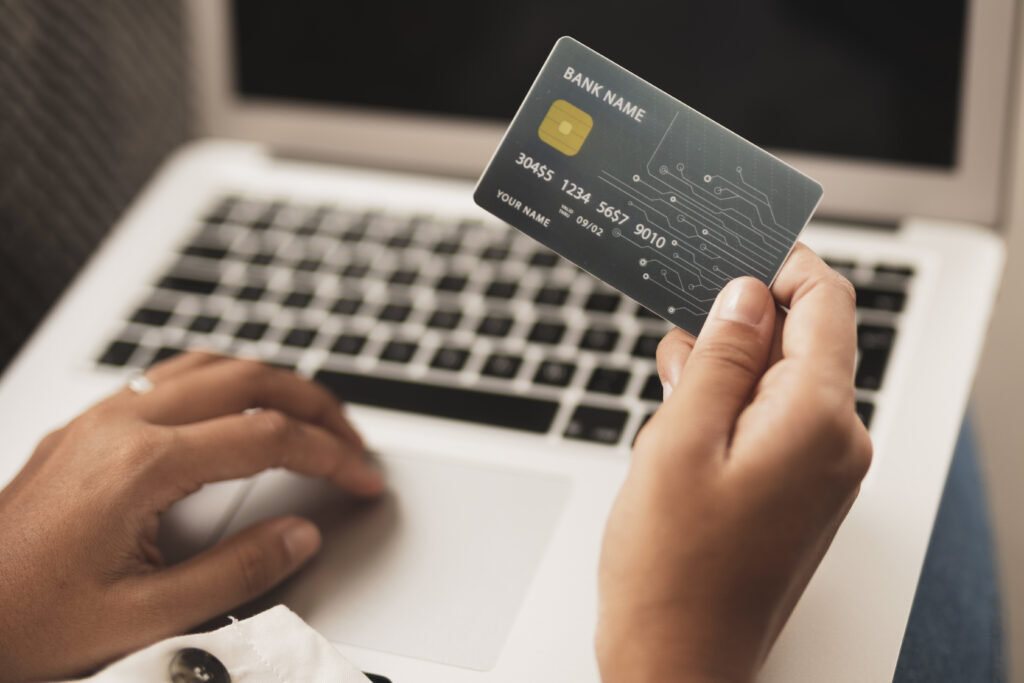
- EVM chips: these are the chips that are usually seen on a credit card. It may be of a gold or a silver colour, easily visible on the card. They basically generate unique cryptographic codes every time the card is used, making it more secure and harder to steal the data.
- Tap to pay: it is the tech that is used for contactless payment, where the user does not have to swipe their card again and gain and enter the pin and follow the process again and again. With this feature, it becomes simply more convenient and easier.
Why should we use it?
Using a credit card nowadays is highly beneficial for many people in the country, as it allows users to manage their daily cash flow in their lives. Using credit cards also gives many perks instead of using an old debit card or paying in cash.
Credit card also increases people or individuals creditworthiness, it basically reffers the ability to take credit is known as creditworthiness.
A credit card allows us to make transactions even if we don’t have money in our accounts and gives us an interest-free credit period of one month or more, depending on the various banks. Below are the various key points to use a credit card.
keypoints :
- Gives rewards on every transaction or spending
- Helps to build a credit score or improve it
- Provides users or individuals with conveniences in transactions
- Promotes a cashless economy
- Makes budgeting and financial planning easier
- Useful for online payments and bulk transactions
- Give the ability to spend when short of cash
- Fullfill emergency credit or money requirements
My views on credit cards
In my view, credit cards are an incredibly great financial instrument that provides us with credit or money when we need it. But it’s not only getting money, but it’s also basically the proper utilisation of the credit card everyone needs to understand, or else they may fall into a debt trap. The following are the key points everyone should keep in mind while using the credit card.
keypoints :
- Always keep in mind not to utilise the credit limit to its full as it gives a negative impact on a person’s credit score. Idle utilisation percentage should be around 25-30%.
- Always pay your pending bills before time if possible or pay before the due date, and you will never get late payment charges.
- Always pay your bills in full. Do not pay the minimum due, as in starting it may look good, but later it may leave you in a very big debt trap. So it is advised that you always pay in full.
- Never share your card details and CVV with anyone, and protect your card from being misused.
Conclusion
In 2026, credit cards will be the most valuable and most awardable financial tool, which would help users to get credit for a shorter duration and fulfil their desires. This would happen because it will be the combination of speed and security, and convenience in day-to-day transactions and payments.The credit cards in future will be going to give more value to the users than cash or debit cards, and 2026 will be more rewarding and more digital and more secure in terms of payments.
Disclaimer
The information which is provided in this blog is for general information and educational purposes only. The author of this blog is not a qualified professional or a financial advisor. It’s basically written with the author’s perspective, so take it only as educational content. The author is not responsible for any losses, risks, or damages resulting from the use of the information presented in this blog.